•  
Plastic Recycling Facility in Chattogram - Bangladesh

Plastic Recycling Facility in Chattogram - Bangladesh

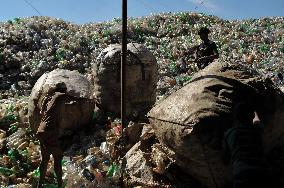
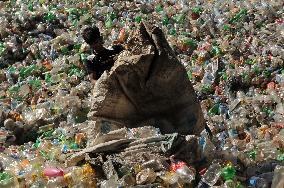
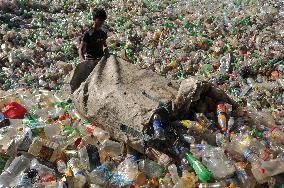
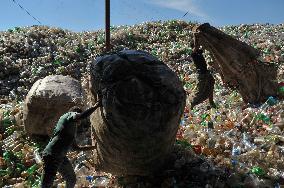
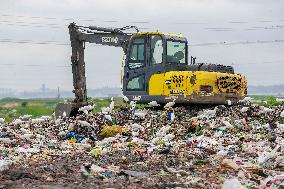
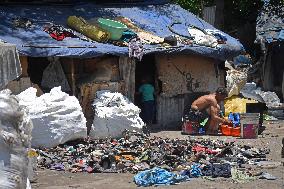
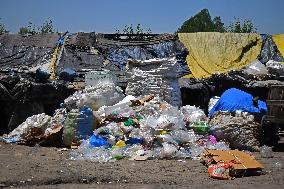
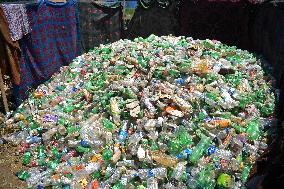
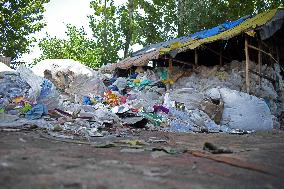
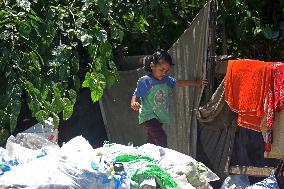
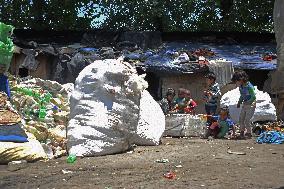
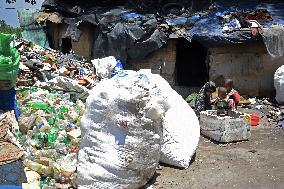
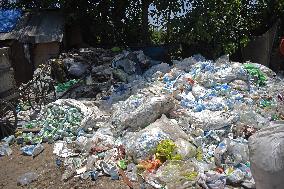
Workers collect and sort discarded plastic bottles at a recycling facility in Chattogram. These plastic wastes are later processed and transformed into new products, underscoring both the environmental burden of plastic pollution and the vital role of recycling in the economy. on December 9, 2025 in Chittagong, Bangladesh. Photo by Md Rafayat Haque Khan/Eyepix/ABACAPRESS.COM

  •  
Plastic Recycling Facility in Chattogram - Bangladesh

Plastic Recycling Facility in Chattogram - Bangladesh

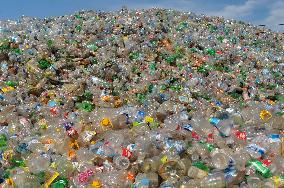
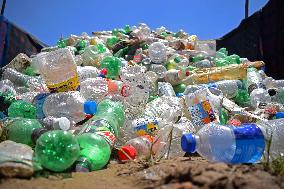
Discarded plastic bottles at a recycling facility in Chattogram. These plastic wastes are later processed and transformed into new products, underscoring both the environmental burden of plastic pollution and the vital role of recycling in the economy. on December 9, 2025 in Chittagong, Bangladesh. Photo by Md Rafayat Haque Khan/Eyepix/ABACAPRESS.COM

  •  
Plastic Recycling Facility in Chattogram - Bangladesh

Plastic Recycling Facility in Chattogram - Bangladesh

Workers collect and sort discarded plastic bottles at a recycling facility in Chattogram. These plastic wastes are later processed and transformed into new products, underscoring both the environmental burden of plastic pollution and the vital role of recycling in the economy. on December 9, 2025 in Chittagong, Bangladesh. Photo by Md Rafayat Haque Khan/Eyepix/ABACAPRESS.COM

  •  
Plastic Recycling Facility in Chattogram - Bangladesh

Plastic Recycling Facility in Chattogram - Bangladesh

Workers collect and sort discarded plastic bottles at a recycling facility in Chattogram. These plastic wastes are later processed and transformed into new products, underscoring both the environmental burden of plastic pollution and the vital role of recycling in the economy. on December 9, 2025 in Chittagong, Bangladesh. Photo by Md Rafayat Haque Khan/Eyepix/ABACAPRESS.COM

  •  
Plastic Recycling Facility in Chattogram - Bangladesh

Plastic Recycling Facility in Chattogram - Bangladesh

Workers collect and sort discarded plastic bottles at a recycling facility in Chattogram. These plastic wastes are later processed and transformed into new products, underscoring both the environmental burden of plastic pollution and the vital role of recycling in the economy. on December 9, 2025 in Chittagong, Bangladesh. Photo by Md Rafayat Haque Khan/Eyepix/ABACAPRESS.COM

  •  
River Pollution - Dhaka

River Pollution - Dhaka

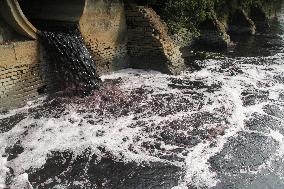
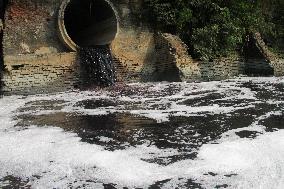
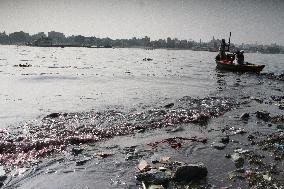
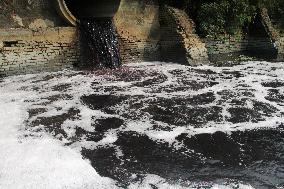
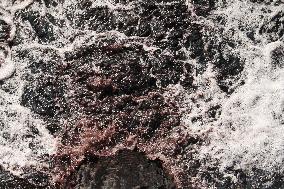
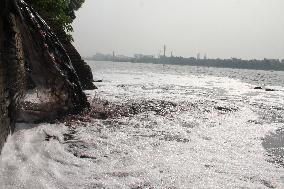
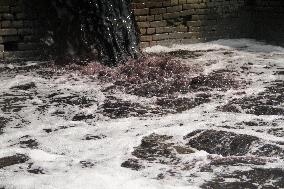
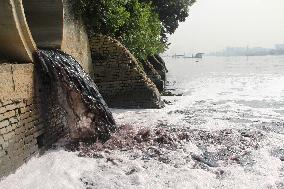
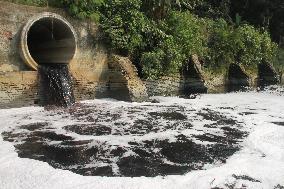
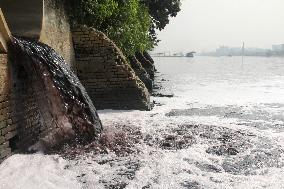
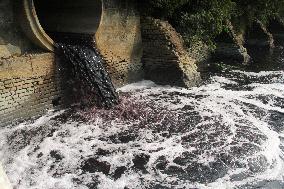
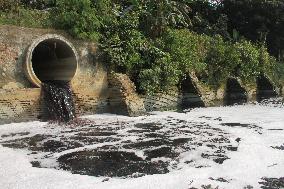
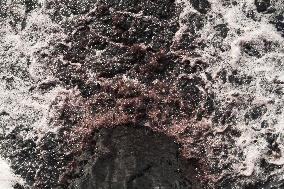
Waste from over a hundred print, knit, dyeing, and plastic factories in Dhaka, Bangladesh, flows into the Buriganga River each day, turning its water toxic with high levels of ammonia, oil, grease, and phenol, as seen in Dhaka, Bangladesh, on December 08, 2025. Photo by Habibur Rahman/ABACAPRESS.COM

  •  
River Pollution - Dhaka

River Pollution - Dhaka

Waste from over a hundred print, knit, dyeing, and plastic factories in Dhaka, Bangladesh, flows into the Buriganga River each day, turning its water toxic with high levels of ammonia, oil, grease, and phenol, as seen in Dhaka, Bangladesh, on December 08, 2025. Photo by Habibur Rahman/ABACAPRESS.COM

  •  
River Pollution - Dhaka

River Pollution - Dhaka

Waste from over a hundred print, knit, dyeing, and plastic factories in Dhaka, Bangladesh, flows into the Buriganga River each day, turning its water toxic with high levels of ammonia, oil, grease, and phenol, as seen in Dhaka, Bangladesh, on December 08, 2025. Photo by Habibur Rahman/ABACAPRESS.COM

  •  
River Pollution - Dhaka

River Pollution - Dhaka

Waste from over a hundred print, knit, dyeing, and plastic factories in Dhaka, Bangladesh, flows into the Buriganga River each day, turning its water toxic with high levels of ammonia, oil, grease, and phenol, as seen in Dhaka, Bangladesh, on December 08, 2025. Photo by Habibur Rahman/ABACAPRESS.COM

  •  
River Pollution - Dhaka

River Pollution - Dhaka

Waste from over a hundred print, knit, dyeing, and plastic factories in Dhaka, Bangladesh, flows into the Buriganga River each day, turning its water toxic with high levels of ammonia, oil, grease, and phenol, as seen in Dhaka, Bangladesh, on December 08, 2025. Photo by Habibur Rahman/ABACAPRESS.COM

  •  
River Pollution - Dhaka

River Pollution - Dhaka

Waste from over a hundred print, knit, dyeing, and plastic factories in Dhaka, Bangladesh, flows into the Buriganga River each day, turning its water toxic with high levels of ammonia, oil, grease, and phenol, as seen in Dhaka, Bangladesh, on December 08, 2025. Photo by Habibur Rahman/ABACAPRESS.COM

  •  
River Pollution - Dhaka

River Pollution - Dhaka

Waste from over a hundred print, knit, dyeing, and plastic factories in Dhaka, Bangladesh, flows into the Buriganga River each day, turning its water toxic with high levels of ammonia, oil, grease, and phenol, as seen in Dhaka, Bangladesh, on December 08, 2025. Photo by Habibur Rahman/ABACAPRESS.COM

  •  
River Pollution - Dhaka

River Pollution - Dhaka

Waste from over a hundred print, knit, dyeing, and plastic factories in Dhaka, Bangladesh, flows into the Buriganga River each day, turning its water toxic with high levels of ammonia, oil, grease, and phenol, as seen in Dhaka, Bangladesh, on December 08, 2025. Photo by Habibur Rahman/ABACAPRESS.COM

  •  
River Pollution - Dhaka

River Pollution - Dhaka

Waste from over a hundred print, knit, dyeing, and plastic factories in Dhaka, Bangladesh, flows into the Buriganga River each day, turning its water toxic with high levels of ammonia, oil, grease, and phenol, as seen in Dhaka, Bangladesh, on December 08, 2025. Photo by Habibur Rahman/ABACAPRESS.COM

  •  
River Pollution - Dhaka

River Pollution - Dhaka

Waste from over a hundred print, knit, dyeing, and plastic factories in Dhaka, Bangladesh, flows into the Buriganga River each day, turning its water toxic with high levels of ammonia, oil, grease, and phenol, as seen in Dhaka, Bangladesh, on December 08, 2025. Photo by Habibur Rahman/ABACAPRESS.COM

  •  
River Pollution - Dhaka

River Pollution - Dhaka

Waste from over a hundred print, knit, dyeing, and plastic factories in Dhaka, Bangladesh, flows into the Buriganga River each day, turning its water toxic with high levels of ammonia, oil, grease, and phenol, as seen in Dhaka, Bangladesh, on December 08, 2025. Photo by Habibur Rahman/ABACAPRESS.COM

  •  
River Pollution - Dhaka

River Pollution - Dhaka

Waste from over a hundred print, knit, dyeing, and plastic factories in Dhaka, Bangladesh, flows into the Buriganga River each day, turning its water toxic with high levels of ammonia, oil, grease, and phenol, as seen in Dhaka, Bangladesh, on December 08, 2025. Photo by Habibur Rahman/ABACAPRESS.COM

  •  
River Pollution - Dhaka

River Pollution - Dhaka

Waste from over a hundred print, knit, dyeing, and plastic factories in Dhaka, Bangladesh, flows into the Buriganga River each day, turning its water toxic with high levels of ammonia, oil, grease, and phenol, as seen in Dhaka, Bangladesh, on December 08, 2025. Photo by Habibur Rahman/ABACAPRESS.COM

  •  
Environmental Pollution In Bangladesh

Environmental Pollution In Bangladesh

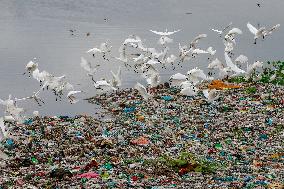
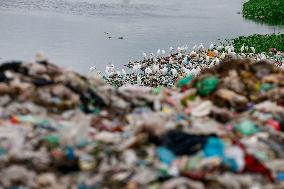
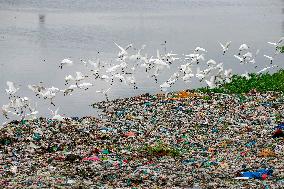
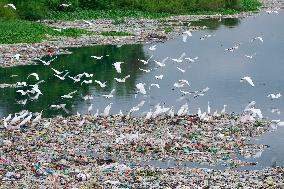
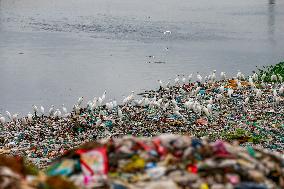
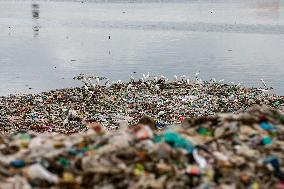
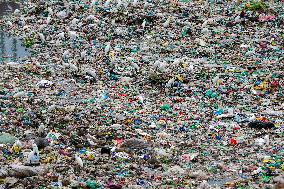
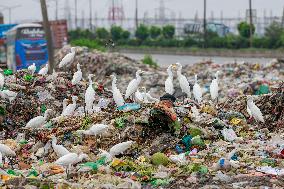
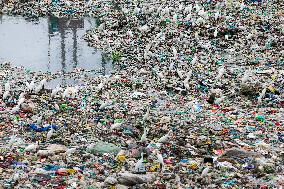
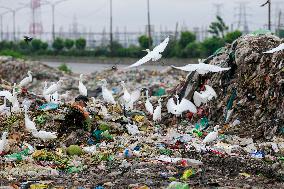
October 02, 2025, Dhaka, Bangladesh: The rivers and canals around Dhaka were once vital sanctuaries of biodiversity. Countless fish swam in their waters, serving as the main food source for fish-eating birds. But now that scene belongs to the past. What was once clear water is now occupied by heaps of garbage. Plastic, polythene, industrial waste, and household trash have severely polluted the water. Faced with a food crisis, fish-eating egrets are being forced to search for food in these piles of waste. Their natural food—fish—is no longer easily available, compelling them to look for alternatives. In Bangladesh, the filling up of rivers and wetlands, illegal encroachment, and plastic pollution together are pushing aquatic ecosystems towards destruction. These wetlands once provided shelter to thousands of native and migratory birds. But in recent years, their numbers have sharply declined. From the haors to Dhaka’s Turag and Balu rivers and other wetlands, the picture is the same: encroachment, landfilling,

  •  
Environmental Pollution In Bangladesh

Environmental Pollution In Bangladesh

October 02, 2025, Dhaka, Bangladesh: The rivers and canals around Dhaka were once vital sanctuaries of biodiversity. Countless fish swam in their waters, serving as the main food source for fish-eating birds. But now that scene belongs to the past. What was once clear water is now occupied by heaps of garbage. Plastic, polythene, industrial waste, and household trash have severely polluted the water. Faced with a food crisis, fish-eating egrets are being forced to search for food in these piles of waste. Their natural food—fish—is no longer easily available, compelling them to look for alternatives. In Bangladesh, the filling up of rivers and wetlands, illegal encroachment, and plastic pollution together are pushing aquatic ecosystems towards destruction. These wetlands once provided shelter to thousands of native and migratory birds. But in recent years, their numbers have sharply declined. From the haors to Dhaka’s Turag and Balu rivers and other wetlands, the picture is the same: encroachment, landfilling,

  •  
Environmental Pollution In Bangladesh

Environmental Pollution In Bangladesh

October 02, 2025, Dhaka, Bangladesh: The rivers and canals around Dhaka were once vital sanctuaries of biodiversity. Countless fish swam in their waters, serving as the main food source for fish-eating birds. But now that scene belongs to the past. What was once clear water is now occupied by heaps of garbage. Plastic, polythene, industrial waste, and household trash have severely polluted the water. Faced with a food crisis, fish-eating egrets are being forced to search for food in these piles of waste. Their natural food—fish—is no longer easily available, compelling them to look for alternatives. In Bangladesh, the filling up of rivers and wetlands, illegal encroachment, and plastic pollution together are pushing aquatic ecosystems towards destruction. These wetlands once provided shelter to thousands of native and migratory birds. But in recent years, their numbers have sharply declined. From the haors to Dhaka’s Turag and Balu rivers and other wetlands, the picture is the same: encroachment, landfilling,

  •  
Environmental Pollution In Bangladesh

Environmental Pollution In Bangladesh

October 02, 2025, Dhaka, Bangladesh: The rivers and canals around Dhaka were once vital sanctuaries of biodiversity. Countless fish swam in their waters, serving as the main food source for fish-eating birds. But now that scene belongs to the past. What was once clear water is now occupied by heaps of garbage. Plastic, polythene, industrial waste, and household trash have severely polluted the water. Faced with a food crisis, fish-eating egrets are being forced to search for food in these piles of waste. Their natural food—fish—is no longer easily available, compelling them to look for alternatives. In Bangladesh, the filling up of rivers and wetlands, illegal encroachment, and plastic pollution together are pushing aquatic ecosystems towards destruction. These wetlands once provided shelter to thousands of native and migratory birds. But in recent years, their numbers have sharply declined. From the haors to Dhaka’s Turag and Balu rivers and other wetlands, the picture is the same: encroachment, landfilling,

  •  
Environmental Pollution In Bangladesh

Environmental Pollution In Bangladesh

October 02, 2025, Dhaka, Bangladesh: The rivers and canals around Dhaka were once vital sanctuaries of biodiversity. Countless fish swam in their waters, serving as the main food source for fish-eating birds. But now that scene belongs to the past. What was once clear water is now occupied by heaps of garbage. Plastic, polythene, industrial waste, and household trash have severely polluted the water. Faced with a food crisis, fish-eating egrets are being forced to search for food in these piles of waste. Their natural food—fish—is no longer easily available, compelling them to look for alternatives. In Bangladesh, the filling up of rivers and wetlands, illegal encroachment, and plastic pollution together are pushing aquatic ecosystems towards destruction. These wetlands once provided shelter to thousands of native and migratory birds. But in recent years, their numbers have sharply declined. From the haors to Dhaka’s Turag and Balu rivers and other wetlands, the picture is the same: encroachment, landfilling,

  •  
Environmental Pollution In Bangladesh

Environmental Pollution In Bangladesh

October 02, 2025, Dhaka, Bangladesh: The rivers and canals around Dhaka were once vital sanctuaries of biodiversity. Countless fish swam in their waters, serving as the main food source for fish-eating birds. But now that scene belongs to the past. What was once clear water is now occupied by heaps of garbage. Plastic, polythene, industrial waste, and household trash have severely polluted the water. Faced with a food crisis, fish-eating egrets are being forced to search for food in these piles of waste. Their natural food—fish—is no longer easily available, compelling them to look for alternatives. In Bangladesh, the filling up of rivers and wetlands, illegal encroachment, and plastic pollution together are pushing aquatic ecosystems towards destruction. These wetlands once provided shelter to thousands of native and migratory birds. But in recent years, their numbers have sharply declined. From the haors to Dhaka’s Turag and Balu rivers and other wetlands, the picture is the same: encroachment, landfilling,

  •  
Environmental Pollution In Bangladesh

Environmental Pollution In Bangladesh

October 02, 2025, Dhaka, Bangladesh: The rivers and canals around Dhaka were once vital sanctuaries of biodiversity. Countless fish swam in their waters, serving as the main food source for fish-eating birds. But now that scene belongs to the past. What was once clear water is now occupied by heaps of garbage. Plastic, polythene, industrial waste, and household trash have severely polluted the water. Faced with a food crisis, fish-eating egrets are being forced to search for food in these piles of waste. Their natural food—fish—is no longer easily available, compelling them to look for alternatives. In Bangladesh, the filling up of rivers and wetlands, illegal encroachment, and plastic pollution together are pushing aquatic ecosystems towards destruction. These wetlands once provided shelter to thousands of native and migratory birds. But in recent years, their numbers have sharply declined. From the haors to Dhaka’s Turag and Balu rivers and other wetlands, the picture is the same: encroachment, landfilling,

  •  
Environmental Pollution In Bangladesh

Environmental Pollution In Bangladesh

October 02, 2025, Dhaka, Bangladesh: The rivers and canals around Dhaka were once vital sanctuaries of biodiversity. Countless fish swam in their waters, serving as the main food source for fish-eating birds. But now that scene belongs to the past. What was once clear water is now occupied by heaps of garbage. Plastic, polythene, industrial waste, and household trash have severely polluted the water. Faced with a food crisis, fish-eating egrets are being forced to search for food in these piles of waste. Their natural food—fish—is no longer easily available, compelling them to look for alternatives. In Bangladesh, the filling up of rivers and wetlands, illegal encroachment, and plastic pollution together are pushing aquatic ecosystems towards destruction. These wetlands once provided shelter to thousands of native and migratory birds. But in recent years, their numbers have sharply declined. From the haors to Dhaka’s Turag and Balu rivers and other wetlands, the picture is the same: encroachment, landfilling,

  •  
Environmental Pollution In Bangladesh

Environmental Pollution In Bangladesh

October 02, 2025, Dhaka, Bangladesh: The rivers and canals around Dhaka were once vital sanctuaries of biodiversity. Countless fish swam in their waters, serving as the main food source for fish-eating birds. But now that scene belongs to the past. What was once clear water is now occupied by heaps of garbage. Plastic, polythene, industrial waste, and household trash have severely polluted the water. Faced with a food crisis, fish-eating egrets are being forced to search for food in these piles of waste. Their natural food—fish—is no longer easily available, compelling them to look for alternatives. In Bangladesh, the filling up of rivers and wetlands, illegal encroachment, and plastic pollution together are pushing aquatic ecosystems towards destruction. These wetlands once provided shelter to thousands of native and migratory birds. But in recent years, their numbers have sharply declined. From the haors to Dhaka’s Turag and Balu rivers and other wetlands, the picture is the same: encroachment, landfilling,

  •  
Environmental Pollution In Bangladesh

Environmental Pollution In Bangladesh

October 02, 2025, Dhaka, Bangladesh: The rivers and canals around Dhaka were once vital sanctuaries of biodiversity. Countless fish swam in their waters, serving as the main food source for fish-eating birds. But now that scene belongs to the past. What was once clear water is now occupied by heaps of garbage. Plastic, polythene, industrial waste, and household trash have severely polluted the water. Faced with a food crisis, fish-eating egrets are being forced to search for food in these piles of waste. Their natural food—fish—is no longer easily available, compelling them to look for alternatives. In Bangladesh, the filling up of rivers and wetlands, illegal encroachment, and plastic pollution together are pushing aquatic ecosystems towards destruction. These wetlands once provided shelter to thousands of native and migratory birds. But in recent years, their numbers have sharply declined. From the haors to Dhaka’s Turag and Balu rivers and other wetlands, the picture is the same: encroachment, landfilling,

  •  
Environmental Pollution In Bangladesh

Environmental Pollution In Bangladesh

October 02, 2025, Dhaka, Bangladesh: The rivers and canals around Dhaka were once vital sanctuaries of biodiversity. Countless fish swam in their waters, serving as the main food source for fish-eating birds. But now that scene belongs to the past. What was once clear water is now occupied by heaps of garbage. Plastic, polythene, industrial waste, and household trash have severely polluted the water. Faced with a food crisis, fish-eating egrets are being forced to search for food in these piles of waste. Their natural food—fish—is no longer easily available, compelling them to look for alternatives. In Bangladesh, the filling up of rivers and wetlands, illegal encroachment, and plastic pollution together are pushing aquatic ecosystems towards destruction. These wetlands once provided shelter to thousands of native and migratory birds. But in recent years, their numbers have sharply declined. From the haors to Dhaka’s Turag and Balu rivers and other wetlands, the picture is the same: encroachment, landfilling,

  •  
Environmental Pollution in Kolkata - India

Environmental Pollution in Kolkata - India

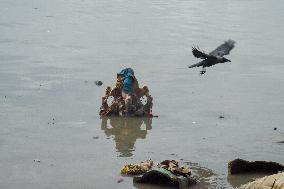
A Ganesha idol floats amidst plastic waste in the Ganges at Babughat in Kolkata, India, on September 2, 2025. The immersion of idols, which are often coated with synthetic paints containing heavy metals, is identified by environmental agencies like the Central Pollution Control Board (CPCB) as a major seasonal contributor to water pollution. Photo by Amit Ghosh/Middle East Images/ABACAPRESS.COM

  •  
Treaty on plastic pollution

Treaty on plastic pollution

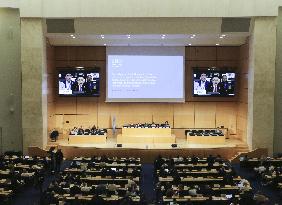
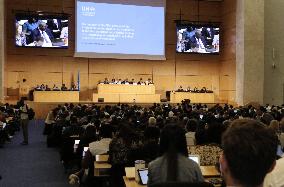
The U.N. International Negotiating Committee holds a plenary session in Geneva on Aug. 15, 2025, to create the world's first legally binding treaty to address plastic pollution.

  •  
Treaty on plastic pollution

Treaty on plastic pollution

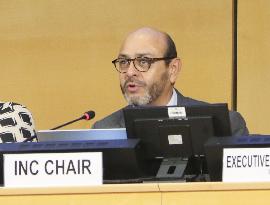
Chair of the U.N. International Negotiating Committee, Luis Vayas Valdivieso, speaks during a plenary session in Geneva on Aug. 15, 2025. The committee worked on creating the world's first legally binding treaty to address plastic pollution.

  •  
Treaty on plastic pollution

Treaty on plastic pollution

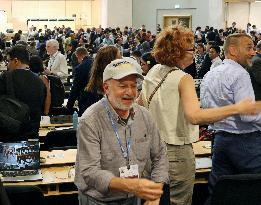
Participants react after chair of the U.N. International Negotiating Committee, Luis Vayas Valdivieso, said at the outset of its plenary session in Geneva on Aug. 14, 2025, that talks to create the world's first legally binding treaty to address plastic pollution will be adjourned to the following day.

  •  
Treaty on plastic pollution

Treaty on plastic pollution

The U.N. Intergovernmental Negotiating Committee on working out an international treaty on plastic pollution holds a plenary session in Geneva on Aug. 13, 2025.

  •  
Treaty on plastic pollution

Treaty on plastic pollution

The U.N. Intergovernmental Negotiating Committee on working out an international treaty on plastic pollution holds a plenary session in Geneva on Aug. 13, 2025.

  •  
Anti-plastic pollution artwork in Geneve

Anti-plastic pollution artwork in Geneve

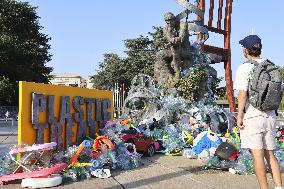
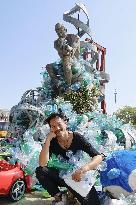
Canadian artist Benjamin Von Wong's installation "The Thinker's Burden" is displayed in front of the U.N. office in Geneva on Aug. 12, 2025, as a session of the Intergovernmental Negotiating Committee on Plastic Pollution is held.

  •  
Anti-plastic pollution artwork in Geneve

Anti-plastic pollution artwork in Geneve

Canadian artist Benjamin Von Wong poses for a photo in front of his installation "The Thinker's Burden" in front of the U.N. office in Geneva on Aug. 13, 2025, as a session of the Intergovernmental Negotiating Committee on Plastic Pollution is held.

  •  
Intergovernmental committee on plastic pollution

Intergovernmental committee on plastic pollution

Ecuador's Ambassador to Britian Luis Vayas Valdivieso, who chairs the Intergovernmental Negotiating Committee on Plastic Pollution, attends its plenary session in Geneva on Aug. 13, 2025.

  •  
People Recycle Plastic Bottles - India

People Recycle Plastic Bottles - India

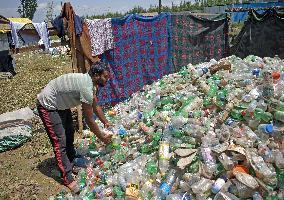
A man puts plastic bottles in a piled up bottle plastic at a temporary dumping site in Pulwama, on the Environmental Day. Each year, over 400 million tonnes of plastic are produced worldwide, with half of it being single-use. Less than 10% is recycled. on June 5, 2025 in Srinagar, India. (Photo by Danish Showkat/Eyepix Group/ABACAPRESS.COM)

  •  
People Recycle Plastic Bottles - India

People Recycle Plastic Bottles - India

A man washes waste in dumping site in Pulwama, on the Environmental Day. Each year, over 400 million tonnes of plastic are produced worldwide, with half of it being single-use. Less than 10% is recycled. on June 5, 2025 in Srinagar, India. (Photo by Danish Showkat/Eyepix Group/ABACAPRESS.COM)

  •  
People Recycle Plastic Bottles - India

People Recycle Plastic Bottles - India

Piled up bottle plastic at a temporary dumping site in Pulwama, on the Environmental Day. Each year, over 400 million tonnes of plastic are produced worldwide, with half of it being single-use. Less than 10% is recycled. on June 5, 2025 in Srinagar, India. (Photo by Danish Showkat/Eyepix Group/ABACAPRESS.COM)

  •  
People Recycle Plastic Bottles - India

People Recycle Plastic Bottles - India

Piled up bottle plastic at a temporary dumping site in Pulwama, on the Environmental Day. Each year, over 400 million tonnes of plastic are produced worldwide, with half of it being single-use. Less than 10% is recycled. on June 5, 2025 in Srinagar, India. (Photo by Danish Showkat/Eyepix Group/ABACAPRESS.COM)

  •  
People Recycle Plastic Bottles - India

People Recycle Plastic Bottles - India

Piled up bottle plastic at a temporary dumping site in Pulwama, on the Environmental Day. Each year, over 400 million tonnes of plastic are produced worldwide, with half of it being single-use. Less than 10% is recycled. on June 5, 2025 in Srinagar, India. (Photo by Danish Showkat/Eyepix Group/ABACAPRESS.COM)

  •  
People Recycle Plastic Bottles - India

People Recycle Plastic Bottles - India

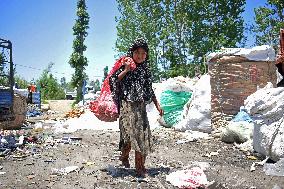
A girl walks on Waste in dumping site in Pulwama, on the Environmental Day. Each year, over 400 million tonnes of plastic are produced worldwide, with half of it being single-use. Less than 10% is recycled. on June 5, 2025 in Srinagar, India. (Photo by Danish Showkat/Eyepix Group/ABACAPRESS.COM)

  •  
People Recycle Plastic Bottles - India

People Recycle Plastic Bottles - India

Children playing with Styrofoam boxes in dumping site in Pulwama, on the Environmental Day. Each year, over 400 million tonnes of plastic are produced worldwide, with half of it being single-use. Less than 10% is recycled. on June 5, 2025 in Srinagar, India. (Photo by Danish Showkat/Eyepix Group/ABACAPRESS.COM)

  •  
People Recycle Plastic Bottles - India

People Recycle Plastic Bottles - India

Piled up bottle plastic at a temporary dumping site in Pulwama, on the Environmental Day. Each year, over 400 million tonnes of plastic are produced worldwide, with half of it being single-use. Less than 10% is recycled. on June 5, 2025 in Srinagar, India. (Photo by Danish Showkat/Eyepix Group/ABACAPRESS.COM)

  •  
People Recycle Plastic Bottles - India

People Recycle Plastic Bottles - India

Children playing with Styrofoam boxes in dumping site in Pulwama, on the Environmental Day. Each year, over 400 million tonnes of plastic are produced worldwide, with half of it being single-use. Less than 10% is recycled. on June 5, 2025 in Srinagar, India. (Photo by Danish Showkat/Eyepix Group/ABACAPRESS.COM)

  •  
People Recycle Plastic Bottles - India

People Recycle Plastic Bottles - India

Piled up bottle plastic at a temporary dumping site in Pulwama, on the Environmental Day. Each year, over 400 million tonnes of plastic are produced worldwide, with half of it being single-use. Less than 10% is recycled. on June 5, 2025 in Srinagar, India. (Photo by Danish Showkat/Eyepix Group/ABACAPRESS.COM)

  •  
People Recycle Plastic Bottles - India

People Recycle Plastic Bottles - India

A girl carries plastic bottles in a sack in dumping site in Pulwama, on the Environmental Day. Each year, over 400 million tonnes of plastic are produced worldwide, with half of it being single-use. Less than 10% is recycled. on June 5, 2025 in Srinagar, India. (Photo by Danish Showkat/Eyepix Group/ABACAPRESS.COM)

  •  
People Recycle Plastic Bottles - India

People Recycle Plastic Bottles - India

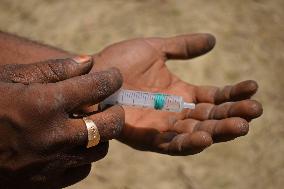
A man shows a plastic syringe in dumping site in Pulwama, on the Environmental Day. Each year, over 400 million tonnes of plastic are produced worldwide, with half of it being single-use. Less than 10% is recycled. on June 5, 2025 in Srinagar, India. (Photo by Danish Showkat/Eyepix Group/ABACAPRESS.COM)

  • Main
  • Top
  • Editorial
  • Creative
  • About Us
  • About ILG
  • Terms of use
  • Company
  • BEHIND
  • Price List
  • Single Plan
  • Monthly Plan
  • Services
  • Shooting
  • Rights Clearance
  • Support
  • FAQ
  • How To Buy
  • Contact Us
  • Become a Partner

© KYODO NEWS IMAGES INC

All Rights Reserved.

  • Editorial
  • Olympics
  • News
  • Sports
  • Japan
  • Tech
  • Royal
  • Disaster
  • NorthKorea
  • Old Japan
  • SNS
  • Creative
  • Food
  • Japan
  • Landscape
  • Animal
  • Popular
  • #Ukraine
  • #China
  • #coronavirus
  • #N. Korea
  • #Russia
  • #Thailand
  • #Ukraine
  • #China
  • #coronavirus
  • #N. Korea
  • #Russia
  • #Thailand
  • Food
  • Japan
  • Landscape
  • Animal
  • Olympics
  • News
  • Sports
  • Japan
  • Tech
  • Royal
  • Disaster
  • NorthKorea
  • Old Japan
  • SNS